Scheduled events versus surprise headlines in the same week
Why your journal should treat a Bank of England decision differently from a sudden geopolitical wire — even when both move the same market.
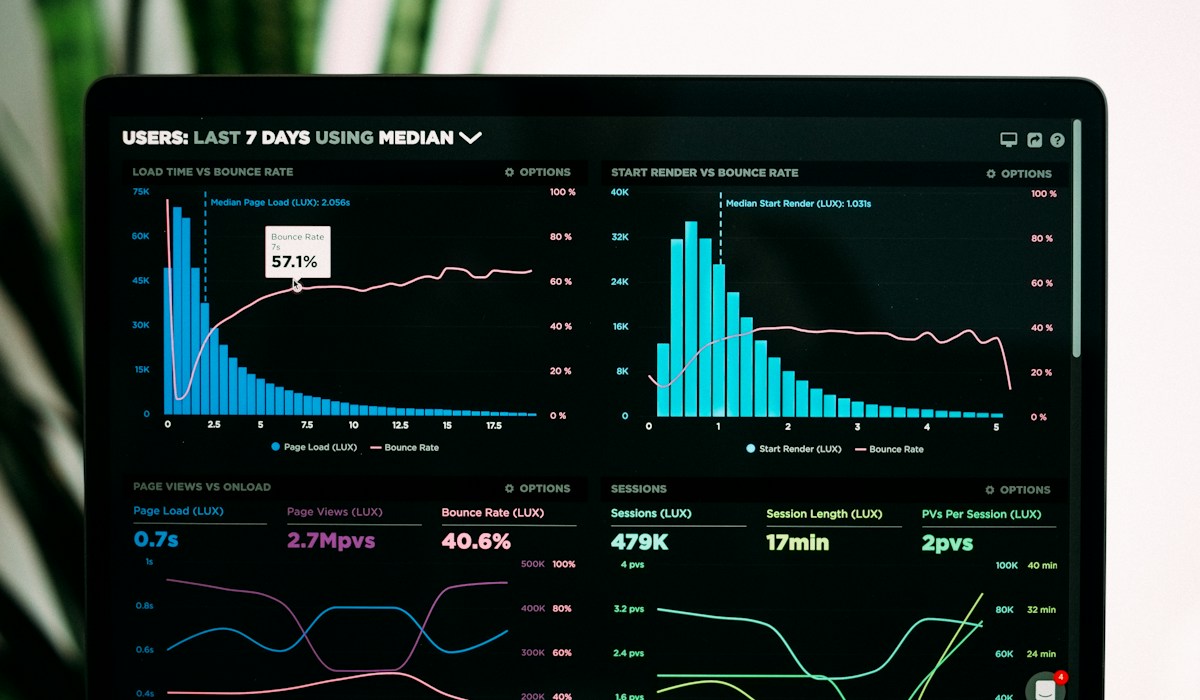
Traders often lump “news risk” into one bucket. In event-driven trading journal analysis we split it. Scheduled events invite preparation: you can decide size and presence the night before. Surprise headlines invite reaction: the journal should capture what you abandoned, not only what you entered.
Two columns, one week
When you review a busy week, list trades under Calendar and Surprise. Calendar trades include those overlapping BoE, NFP, CPI, scheduled speeches, and earnings you knew about. Surprise trades include peer guidance shocks, unexpected ratings actions, and geopolitical wires.
The point is not moral judgement. It is pattern detection. Many journals show excellent calendar discipline and messy surprise behaviour — or the reverse.
What changes in a session
In a Datafabric Grid review we spend more time on the weaker column. If your surprise trades repeatedly enlarge after the first impulse candle, the carry-forward brief will ask for a standing rule: maximum size for the first thirty minutes after an unclassified headline, for example.
Keep the language plain
Write “surprise — peer guided down” rather than vague labels like “chaos.” Future-you (and any reviewer) needs the noun.